
01
Mentor
Upload any Photo and receive a real, specific critique on composition, framing, cropping, and light. Honest feedback, written like a mentor sitting next to you.
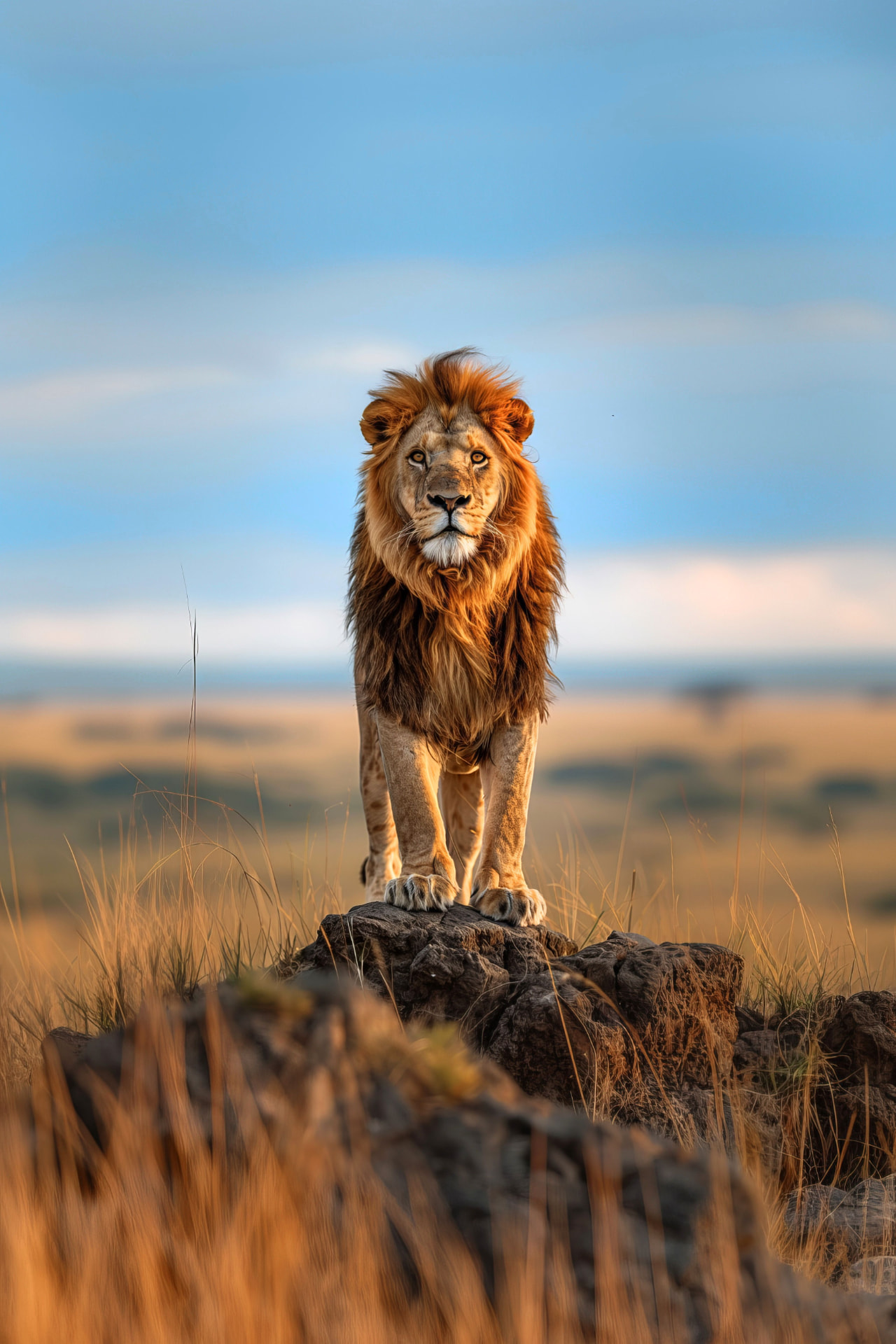
Putting your subject dead center is usually the first habit I'd talk you out of. Here it's the right call. He's squared up and looking straight at you, and that symmetry turns a safari snapshot into a formal portrait. The line from his forehead down through his chest runs right into the rock, so the whole frame feels anchored. Here's where I'd push you: the horizon cuts through his chest. Get lower, closer to the dirt, and his head rises clean above that line. Then he isn't just standing on a rock. He owns the whole sky.
The blurred grass and dark rock along the bottom are doing real work. They give you a foreground layer, so the viewer feels crouched in the brush with him instead of standing safely behind a lens. That depth is what separates this from a zoo photo. One thing caught my eye though. A single tall blade of grass slices up past his left side and touches his outline. Most people would never notice it, but on a print hanging on a wall, your eye will find it every time. Clean it out and his silhouette reads perfectly clear.
Almost a third of this frame is empty blue sky. I get why you left it. It feels like breathing room. With a face this intense, though, all that space lets the tension leak out. Bring the top edge down until his eyes sit near the upper third of the frame. Nothing important is lost, and suddenly it feels like a standoff between him and whoever is looking. Keep the rock and the grass at the bottom. That foreground is earning its place. The sky isn't.
This is late day light, low and warm, and it's the best thing about the photo. It turns his mane into copper and pulls him right off that soft, hazy background. The cool blue sky behind him makes the gold feel even richer. Be honest with yourself about the shadow side, though. His chest and the darker parts of his mane are starting to go muddy, and you lose the texture there. A small, careful lift in the shadows when you edit brings that detail back without flattening the mood. Light his eyes just a touch and the whole portrait wakes up.
Your creative challenge
Shoot the same scene three times this week, once each at morning, noon, and golden hour. Notice which light tells the story best.
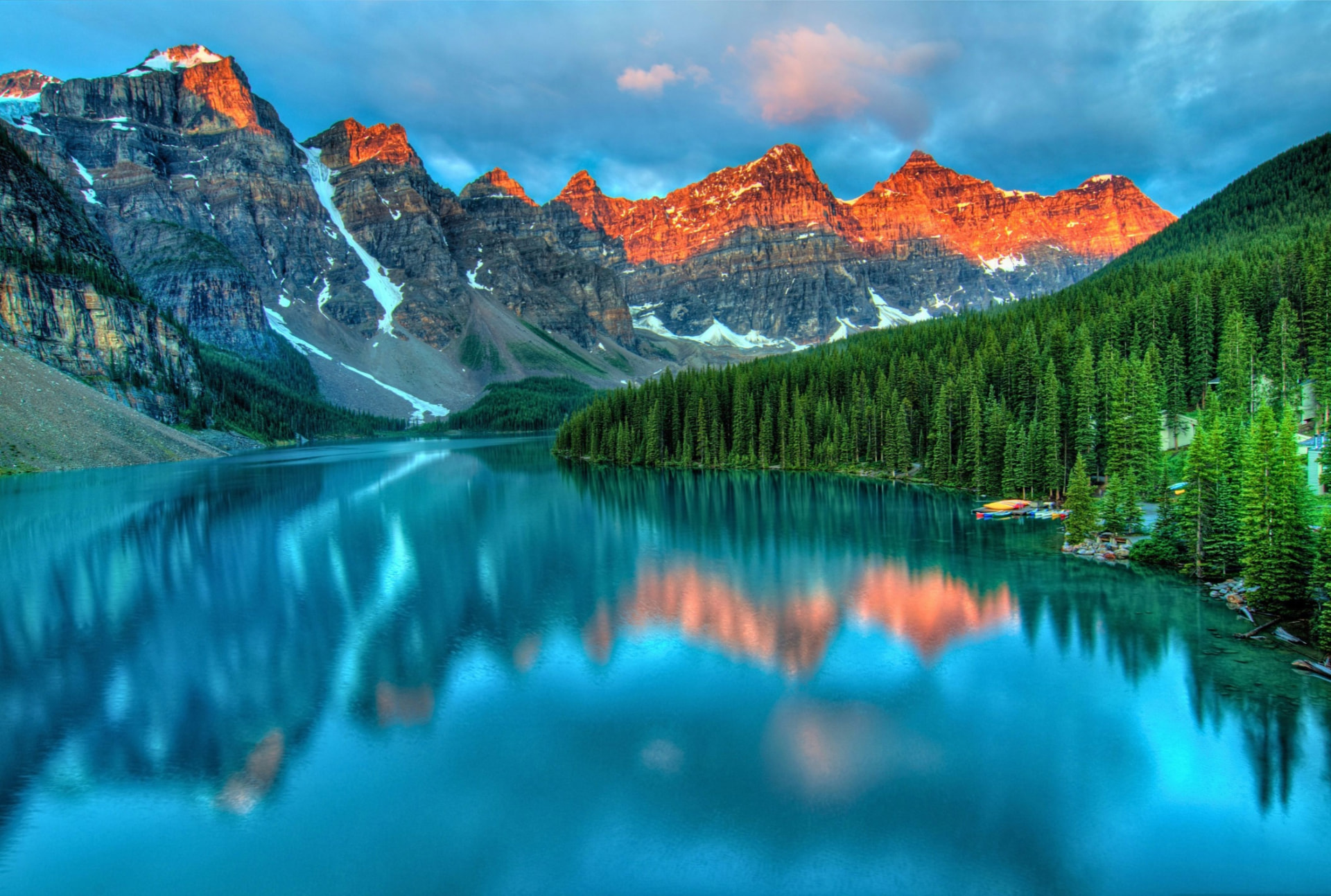

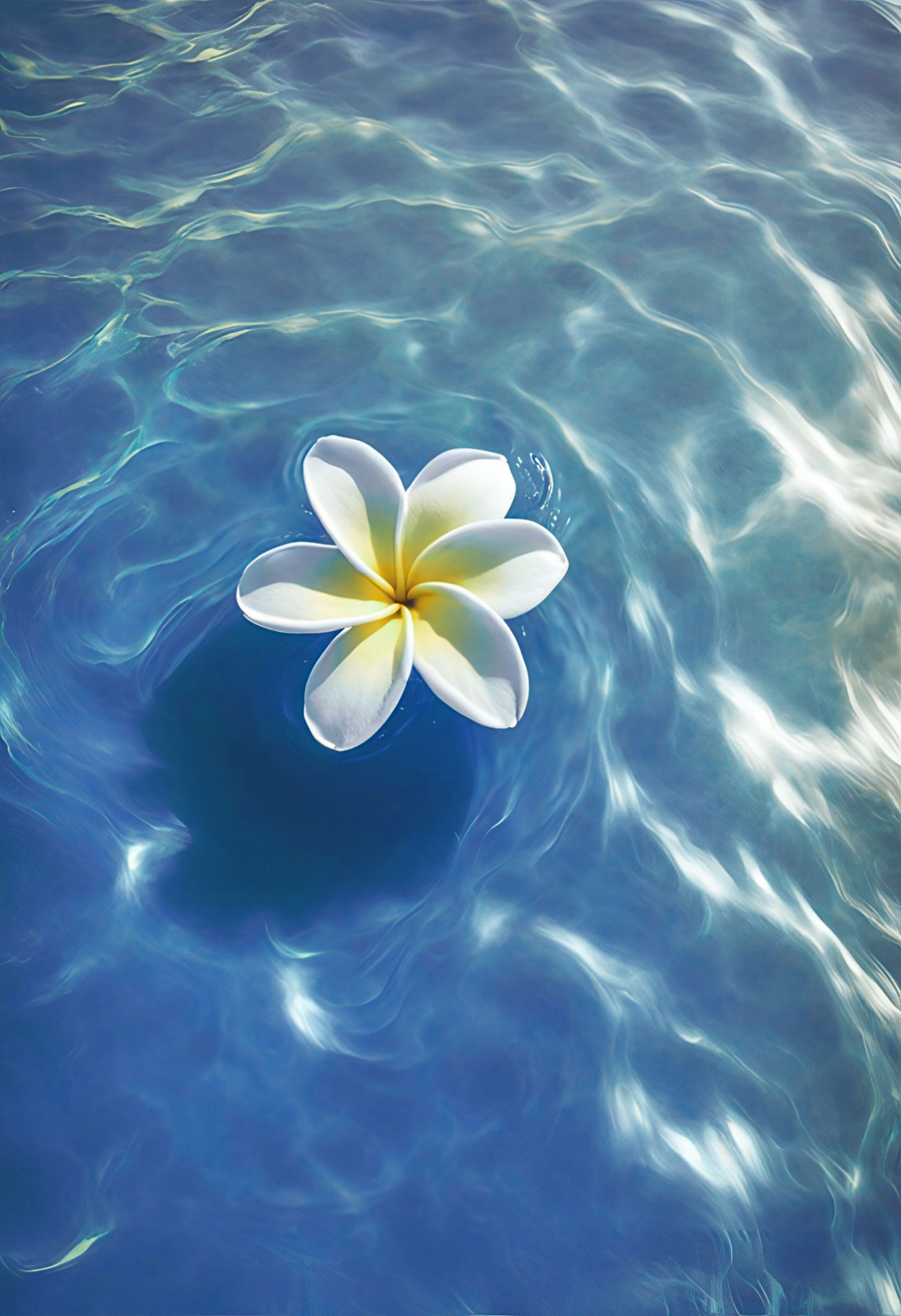
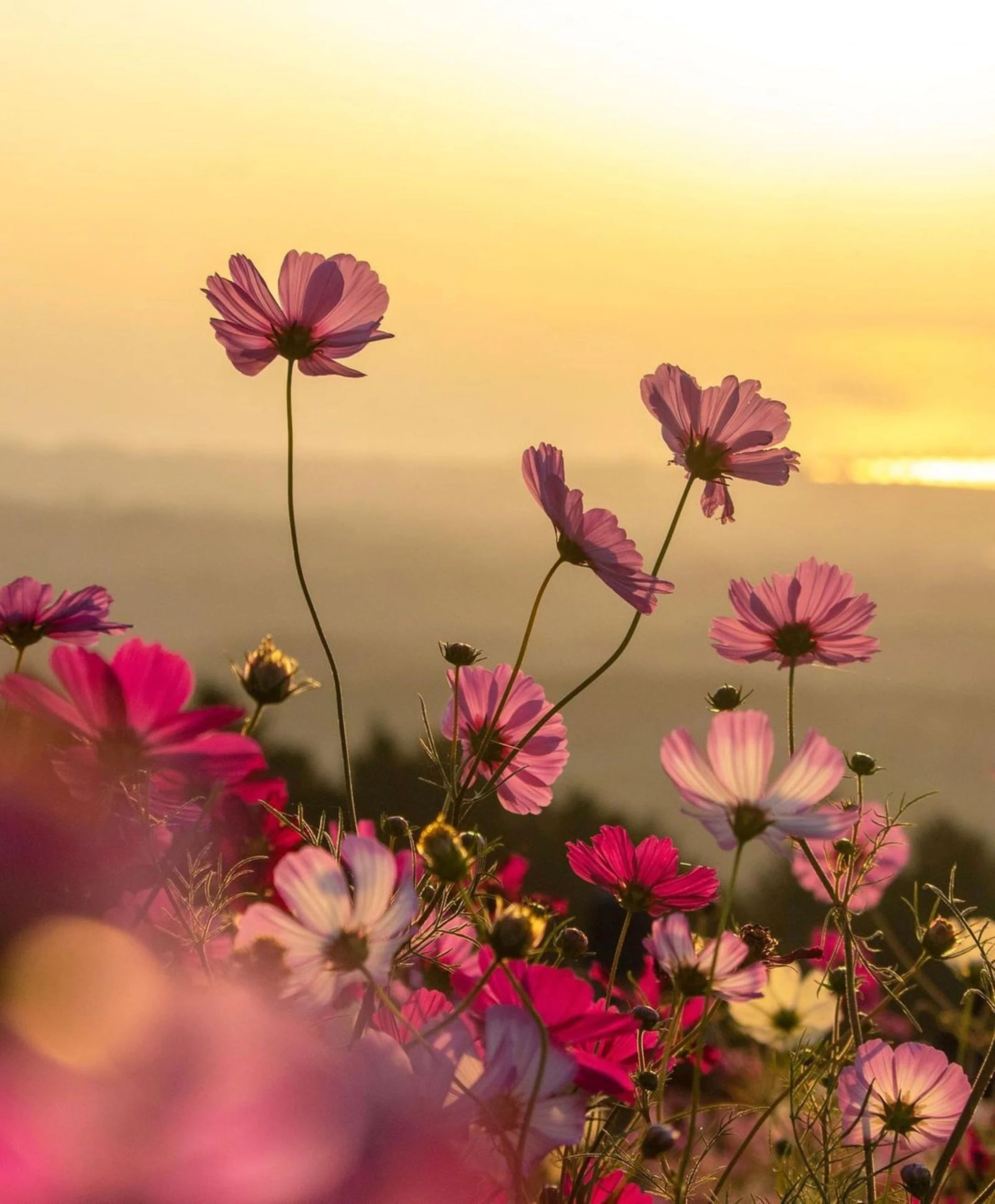
Upload any Photo and receive a real, specific critique on composition, framing, cropping, and light. Honest feedback, written like a mentor sitting next to you.
The Practice Room trains your eye a little more each day. Twenty training systems, from observation to storytelling, with a daily exercise that builds the habit of seeing.
Creative Photography challenges that pull you beyond your comfort zone. Five interactive labs. Rule Spotter, Term Match, Aperture Trainer, Shutter Sense, and See the Light. Help you experiment, break visual habits, and build the confidence to try unfamiliar work.
Every day, Pixentra HQ studies your recent work and surfaces one personalized observation about how your Photography is evolving.
A fresh creative challenge each day and a deeper weekly assignment, tuned to how you shoot. Save the ones that spark something.
The prompts, interruptions, and challenges you want to return to, kept in one quiet place you own.
Every analysis, insight, and completed challenge lives in a private Upload History, so you can watch your Photography change over time.
Pixentra HQ opens on November 3. Founding members will be the first to review it here.
Because a Photographer grows fastest with someone honest in the room. Pixentra HQ is a mentor that looks at your actual frames, tells you what is working and what is not, then hands you the next assignment while the lesson is still warm. Uploads, critiques, the Practice Room, Courage Lab, Insights, Challenges, your Vault, and Photography history all sit in one place, so your practice compounds instead of scattering across apps and saved posts.
Each module is a short narrative plus a real assignment you can shoot today. Modules 1 through 5 are free and cover the fundamentals: rule of thirds, leading lines, negative space, pattern, and depth. Modules 6 through 20 go deeper into light, perspective, storytelling, and long form work.
Yes. The critiques and challenges are tuned to the genre your uploads show, whether that is street, portrait, landscape, still life, or documentary. Street Photographers get feedback on timing, gesture, and layered composition, not staged rules.
No. Every feature works with a phone photo. The eye grows before the gear does.
Occasional letters on new lessons, Courage Lab challenges, and the craft of observation. No spam. Unsubscribe with one click.
"If your Photographs aren't good enough, you're not close enough."